
Growing indoor plants in low light can feel challenging, especially if you live in an apartment or are new to gardening. Many people assume plants need lots of sunlight to thrive, which can be frustrating when their greenery struggles in dim corners or rooms without windows. But the truth is, many tough plant species are well-suited to survive—and even enhance—spaces with limited natural light. Knowing the difference between low light and no natural light opens up plenty of opportunities to enjoy indoor gardening almost anywhere.
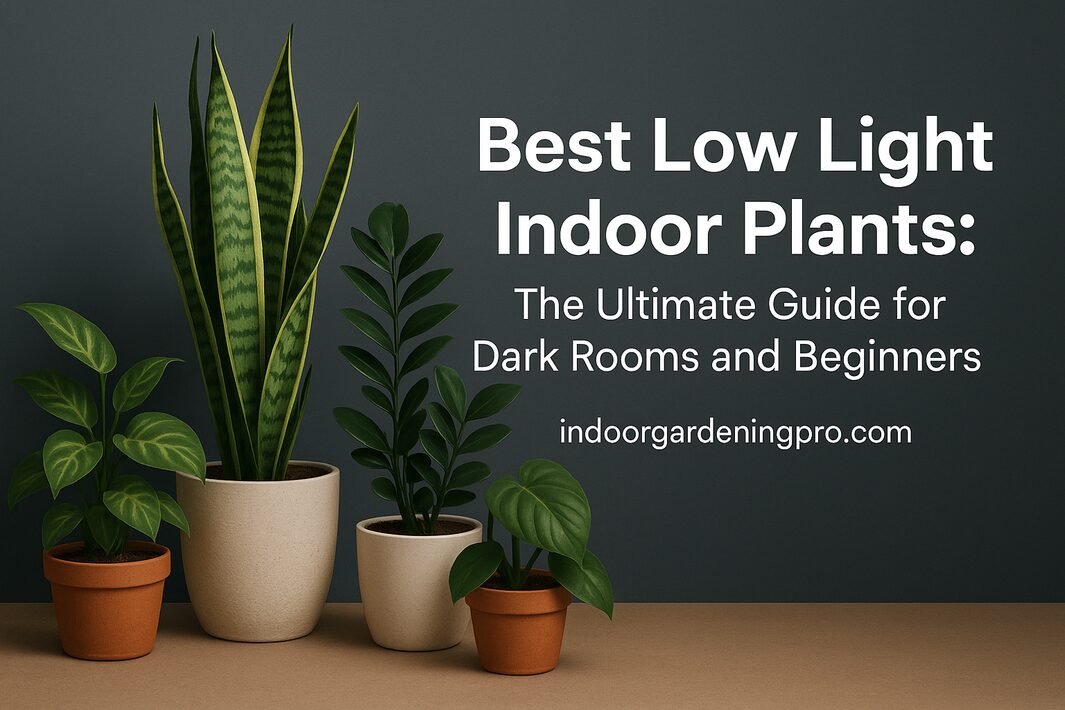
In this guide, we’ll introduce you to the best low light indoor plants that can brighten your home without direct sunlight. We’ll explain how to tell the difference between low light and no natural light, so you can assess your space accurately. You’ll find detailed profiles of plants suited to various light levels, care tips tailored to these conditions, and troubleshooting advice to keep your low light indoor plants healthy. Plus, we’ll cover how to choose the right grow lights, soils, and planters to help your indoor garden thrive.
Whether you’re just starting your first plant collection, expanding your indoor jungle, or living in a place with limited window access, this guide offers practical and encouraging advice. You’ll learn how to pick and care for plants that truly thrive in darker rooms, turning even the gloomiest corners into lush, vibrant spots. Let’s get started and see how low light indoor gardening can be a rewarding hobby for you.
How to Define and Measure Low Light vs Zero Natural Light
Knowing the lighting conditions in your home is key to choosing the best low light indoor plants. Although “low light” and “no natural light” are often mixed up, they describe very different environments that affect how well plants grow.
Low Light: This means areas that get indirect or filtered natural light but no direct sun. Think of rooms with north-facing windows, shaded corners, or spots near windows but set back from direct rays. Low light usually measures between 50 to 250 foot-candles (about 500 to 2700 lux).
No Natural Light (Zero Light): These are spaces with no natural sunlight at all, like interior bathrooms, closets, or windowless hallways. Light levels here often fall below 50 foot-candles (under 500 lux), so plants rely entirely on artificial light to survive.
You can check your light levels at home with a few simple methods:
- Look at shadows: Sharp, clear shadows mean bright light; faint or no shadows indicate low or no natural light.
- Use a smartphone app: Many free apps measure light intensity in lux. Place your phone where you want your plant and check the reading.
- Buy an affordable lux meter: These handheld tools give precise light measurements, helping you pick plants that will thrive.
Understanding these readings helps you choose plants suited to your space. For instance, a plant that needs 2000 lux won’t do well in 200 lux or less without extra lighting.
Top Best Low Light Indoor Plants by Light Level Categories
Not all low light indoor plants are the same. Some can live in true zero natural light with artificial lighting, while others need at least some indirect daylight. Here’s a breakdown of some of the best low light indoor plants, including notes on pet safety and air-purifying qualities.
Plants That Thrive in True No Natural Light
- ZZ Plant (Zamioculcas zamiifolia): One of the toughest plants you can find, ZZ plants handle deep shade and irregular watering well. Their shiny, dark green leaves add a sleek, modern touch.
- Snake Plant (Sansevieria trifasciata): With its upright, sword-like leaves, this plant tolerates neglect and low light easily. It’s also a great air purifier but is toxic to pets, so keep that in mind if you have animals.
- Cast Iron Plant (Aspidistra elatior): True to its name, this plant is incredibly hardy, thriving in dim corners with very little care.
Plants Best Suited for Low but Indirect Light
- Peace Lily (Spathiphyllum spp.): Known for its elegant white flowers and glossy leaves, it prefers low to moderate indirect light and helps clean indoor air.
- Pothos (Epipremnum aureum): This trailing vine with heart-shaped leaves is highly adaptable and perfect for beginners.
- Philodendron (Philodendron spp.): Available in many leaf shapes and sizes, most varieties do well in low indirect light and are easy to care for.
- Chinese Evergreen (Aglaonema spp.): Valued for its colorful foliage, it tolerates low light and changes in humidity.
Pet-Safe Low Light Indoor Plants
If you have pets, safety is important. Among low light indoor plants, consider:
- Spider Plant (Chlorophytum comosum): Handles indirect low light well and is non-toxic.
- Prayer Plant (Maranta leuconeura): Prefers low indirect light and is safe for pets.
- Calathea species: Known for their striking leaves and pet safety, though they like moderate humidity.
Air-Purifying Low Light Indoor Plants
Several plants listed here are recognized by NASA for their ability to remove toxins from indoor air, including Peace Lily, Snake Plant, and Pothos. These plants not only survive in low light but also help improve your home’s air quality.
What “Low Light” Actually Means in Numbers
The phrase “low light indoor plants” hides a wide range, and the confusion causes more plant deaths than almost anything else. Light is measured in foot-candles or lux, and the numbers are worth knowing because the difference between 50 and 500 foot-candles is the difference between a plant surviving and a plant growing.
Bright indirect light: 200 to 500 foot-candles. A few feet back from an unobstructed east or north window. Most houseplants sold as easy-care actually want this, not less.
Medium light: 100 to 200 foot-candles. Several feet from a window, or beside a window with a sheer curtain. Plenty of low light indoor plants do genuinely well here.
Low light: 50 to 100 foot-candles. A far corner of a room with a window, or a room with a small north-facing window. This is the genuine low-light zone, and the plant list shortens considerably.
Very low light: under 50 foot-candles. Interior rooms, windowless bathrooms, basements. Almost nothing grows here indefinitely without supplemental lighting. Plants placed in these spots survive on stored energy and slowly decline.
You can measure this without buying anything: most phone light-meter apps are accurate enough for the purpose, and the old shadow test works too — hold your hand a foot above a sheet of white paper at midday. A sharp shadow means bright light, a soft but visible shadow means medium, a barely perceptible shadow means low, and no shadow at all means you need a grow light rather than a different plant.
The other point worth knowing is that light falls off far faster than it looks. Light intensity drops with the square of the distance from the source, so a plant two metres from a window receives roughly a quarter of what a plant one metre away gets. Rooms look evenly lit to the human eye because our vision adapts; plants have no such adaptation. Guidance from horticultural extension services — the University of Minnesota Extension’s page on light for houseplants covers the measurement side in detail — makes the same point, and it is the single most useful correction most indoor gardeners can make.
Care Guide for Low Light Indoor Plants
Caring for low light indoor plants houseplants means adjusting your routine to fit their specific needs. Here are some important care tips to keep in mind:
Watering Schedules and Signs of Over/Underwatering
Plants that thrive in low light usually require less water since they photosynthesize more slowly. Overwatering is a common issue that can cause root rot. Let the top inch of soil dry out before watering again. Yellowing leaves and soft stems often indicate overwatering, while brown, crispy leaf edges suggest underwatering.
Soil Mixes for Drainage and Nutrition
Choose well-draining soil mixes rich in organic matter to avoid waterlogged roots. Many low light indoor plants do best in airy soil that holds moisture but drains excess water quickly. A blend of peat moss, perlite, and compost usually works well.
Humidity and Temperature Management
Most low light indoor plants prefer indoor temperatures between 65-75°F (18-24°C). Humidity levels around 40-60% help keep their foliage healthy. If your space is dry, boost humidity with pebble trays, humidifiers, or occasional misting.
Preventing Etiolation in Low Light Indoor Plants
Etiolation happens when plants stretch toward light, leading to leggy growth. To avoid this, rotate your low light indoor plants regularly and consider adding grow lights if natural light is very limited. Leaf drop often signals stress from overwatering, low humidity, or sudden temperature changes.
Selecting the Right Grow Lights for Low Light Indoor Plants
If your space gets little to no natural light, grow lights are a must. Picking the right type and wattage will help your low light indoor plants get the energy they need to thrive.
Types of Grow Lights
- LED Grow Lights: These are energy-efficient, produce little heat, and offer customizable light spectrums. They’re perfect for small spaces and long-term use.
- Fluorescent Lights: Affordable and widely available, fluorescent lights work well for seedlings and low light indoor plants but aren’t as efficient as LEDs.
- Full Spectrum Lights: These mimic natural sunlight and support all stages of plant growth.
Matching Wattage and Coverage
Choose your lights based on how many plants you have and the size of your room. For a few small plants, a 20-40 watt LED panel is usually enough. Larger collections or rooms will need higher wattage or multiple lights.
Energy Efficiency and Ease of Use
LEDs use less electricity and last longer, which saves money over time. Look for lights with timers and adjustable brightness to simplify your care routine.
When and How to Use Grow Lights
Keep grow lights on for 10-14 hours a day to mimic natural daylight. Position them 12-24 inches above your low light indoor plants, adjusting as they grow.
Planters and Soil Mixes for Low Light Indoor Plants in Dim Environments
The right pots and soil can make a big difference, especially since low light indoor plants grow slower and are more sensitive to care mistakes.
Planter Materials and Drainage Importance
Always use pots with drainage holes to avoid water buildup. Ceramic pots hold moisture well but can be heavy, while plastic pots are lighter and budget-friendly. Self-watering planters are great for keeping moisture levels steady.
Soil Mix Recommendations
Pick soil mixes made for indoor plants that provide good aeration and drainage. Avoid heavy garden soils that retain too much water.
Space-Saving and Decorative Pots
If you’re short on space, vertical planters or hanging pots can maximize your area. Choose styles that enhance your room’s decor for a nice touch.
Repotting and Soil Health Maintenance
Repot your plants every 1-2 years to refresh the soil and give roots more room. Trim away dead roots and replace old soil to keep nutrients balanced.
Comparison Table: Best Low Light Plants Side-by-Side
| Plant | Light Tolerance | Watering Frequency | Maintenance Level | Growth Rate | Pet Safe | Air Purification | Typical Size | Ideal Location | Aesthetic Features |
|---|---|---|---|---|---|---|---|---|---|
| ZZ Plant | No natural light | Every 2-3 weeks | Low | Slow | Yes | Yes | 2-3 ft | Corner, shelf | Glossy dark green leaves |
| Snake Plant | No natural light | Every 2-3 weeks | Low | Moderate | No | Yes | 1-4 ft | Floor, shelf | Upright sword-like leaves |
| Peace Lily | Low indirect | Weekly | Moderate | Moderate | No | Yes | 1-3 ft | Table, shelf | White flowers, glossy leaves |
| Pothos | Low indirect | Weekly | Low | Fast | No | Yes | 1-6 ft (trailing) | Hanging, shelf | Heart-shaped leaves, variegated |
| Cast Iron Plant | No natural light | Every 2-3 weeks | Low | Slow | Yes | Limited | 2-3 ft | Corner | Large, dark green leaves |
Troubleshooting Common Problems with Low Light Plants
Even plants adapted to low light can run into problems if their care isn’t quite right. Here are some common issues and how to fix them:
Yellowing or Dropping Leaves
This usually happens because of overwatering or poor drainage. Check if the soil is too wet and make sure your pots drain well. Adjust how often you water accordingly.
Etiolation and Leggy Growth
When plants don’t get enough light, they stretch toward the source, becoming leggy. Rotate your plants regularly and add grow lights if needed to keep them compact and healthy.
Mold and Root Rot
Too much moisture and poor airflow invite fungal problems. Use well-draining soil, avoid standing water, and improve air circulation around your plants.
Leaf Browning or Crisp Edges
This can mean your plant is underwatered or the air is too dry. Try watering a bit more and increase humidity with misting or a humidifier.
Slow or No Growth
Insufficient light or lack of nutrients can stunt growth. Add supplemental lighting and use appropriate indoor fertilizers when necessary.
Comprehensive FAQs About Low Light Indoor Plants
Can any plants survive with literally no natural light?
True zero natural light means no sunlight reaches where the plant sits. While plants like the ZZ Plant and Snake Plant can tolerate very low light, they still need some artificial light to thrive. Without any light source, plants can’t photosynthesize and will eventually weaken.
How do I know if my room is actually low light or no light?
You can use a lux meter or a smartphone app to check light levels. Low light rooms usually measure between 500 and 2700 lux, while spaces with no natural light have less than 500 lux. You can also look at how sharp shadows are and watch how your plants are doing for clues.
What are the signs my low light plant is not getting enough light?
Look for pale or yellow leaves, stems stretching out (known as etiolation), slow growth, and leaves dropping. If you see these signs, try moving your plant closer to a light source or add grow lights.
How often should I water low light indoor plants?
Watering depends on the plant type and environment, but generally, low light indoor plants need less water. Let the top inch of soil dry out before watering again, which usually means watering every 1 to 3 weeks.
Are grow lights necessary, and how do I choose the right one?
Grow lights are essential if your room has no natural light and helpful in very dim spaces. LED grow lights are a great choice because they use less energy and offer full spectrum light. Pick one with the right wattage for how many plants you have and the size of your room.
Which low light plants are safe for pets?
Spider Plant, Prayer Plant, and Calathea are generally safe around pets. Avoid Snake Plants and Peace Lilies if you have curious pets, as these can be toxic if eaten.
How to prevent common issues like leggy growth or leaf yellowing in low light?
Rotate your plants regularly, add supplemental lighting if needed, avoid overwatering, and keep humidity and temperature in check to help your plants stay healthy and compact.
Can I use artificial light alone to grow low light plants?
Yes, with the right grow lights providing enough intensity and time, artificial light alone can support healthy growth for low light plants in windowless or dark spaces.
What are budget-friendly setups for low light indoor gardening?
Affordable LED grow light panels, plastic pots with drainage holes, and multipurpose indoor soil mixes can help you build a low light garden without breaking the bank. You can also use DIY containers and timers for your lights to save even more.
Product Reviews: Best Options to Consider
ZZ Plant (Zamioculcas zamiifolia)
Best for: Low and no natural light rooms, beginner-friendly care
The ZZ Plant is a favorite for low light indoor gardeners because it handles shade and drought exceptionally well. Its thick, waxy leaves store water, so it can handle neglect. ZZ plants grow slowly, making them perfect for small apartments or offices. They need infrequent watering and little fertilization.
Pros
- Thrives in very low light and no natural light with supplemental lighting
- Low maintenance and drought tolerant
- Attractive glossy foliage adds modern style
- Air-purifying qualities
Cons
- Slow growth may frustrate those wanting quick results
- Toxic if ingested, so keep away from pets and children
If you want a tough, stylish plant for dark rooms, the ZZ Plant is a solid choice. Pair it with a good grow light for the best results.
Snake Plant (Sansevieria trifasciata)
Best for: Beginners, low maintenance, air purification
The Snake Plant is famous for its upright, sword-shaped leaves and easygoing nature. It tolerates low light and irregular watering, making it ideal for busy or new plant owners. It also helps clean the air, improving indoor air quality.
Pros
- Very low light tolerant, including no natural light with grow lights
- Hardy and drought resistant
- Improves indoor air quality
- Minimal care needed
Cons
- Contains toxins harmful to pets
- Can become top-heavy and may need stable support
Snake Plants are dependable for low light indoor plants areas, especially if pet safety isn’t a concern.
Peace Lily (Spathiphyllum spp.)
Best for: Low indirect light, air purification, decorative blooms
Peace Lilies are loved for their elegant white flowers and shiny leaves. They prefer low to medium indirect light and consistent watering. Their ability to remove indoor pollutants makes them popular in living rooms and offices.
Pros
- Thrives in low indirect light
- Beautiful white blooms add visual interest
- Effective air purifier
Cons
- Needs more regular watering than some low light plants
- Toxic to pets if ingested
Peace Lilies are great for those willing to provide moderate care and who want flowering plants in low light spaces.
Pothos (Epipremnum aureum)
Best for: Beginners, trailing plants, adaptable to low indirect light
Pothos is an easy-care vine with heart-shaped, variegated leaves. It does well in low indirect light and can grow in water or soil. Its fast growth and forgiving nature make it a perfect starter plant.
Pros
- Very adaptable to low indirect light
- Fast growing and easy to propagate
- Can be grown in water or soil
Cons
- Toxic to pets
- Needs occasional pruning to prevent legginess
Pothos is a versatile choice for low light indoor gardens, especially in hanging baskets or on shelves.
Further Reading for Low Light Indoor Plants Success
To support your low light indoor gardening journey, explore our detailed grow light buying guides to find the perfect lighting solutions. Enhance your plant’s health with our curated indoor soil and fertilizer recommendations tailored for low light indoor plants species. Choose stylish and functional containers using our planters and pot selection tips. For complete care, browse essential plant care accessories and tools that make maintenance easier. You can also browse Bloomscape houseplant profiles to purchase recommended low light plants with confidence.
Conclusion: Confident Low Light Indoor Plants for Dark Rooms and Busy Beginners
Growing plants in low light can be challenging, but it’s also a rewarding way to bring life into apartments and homes with limited sunlight. By understanding the difference between low light and spaces with no natural light at all, you can pick plants that will truly thrive where you live. Some of the best low light indoor plants, like the ZZ Plant, Snake Plant, Peace Lily, and Pothos, offer a variety of looks, care needs, and even pet-friendly options.
Taking the time to measure your room’s lighting with simple tools helps you avoid frustration and keeps your plants healthy. Adjusting your watering, soil, humidity, and temperature routines to fit low light conditions will make a big difference in how well your plants grow. If your space doesn’t get any natural light, the right grow lights can provide the energy your plants need to stay vibrant.
Choosing pots with good drainage and refreshing your soil regularly supports strong root systems. If you notice issues like yellow leaves or stretched-out growth, troubleshooting common problems will help keep your plants in great shape. Our recommended product guides offer useful tools for lighting, soil, pots, and care that make looking after your plants easier.
With patience and the right information, even the darkest rooms can become lush, green retreats. Start with hardy, easy-to-care-for plants and build your collection as you gain confidence. Your indoor garden will brighten your space and bring a rewarding sense of accomplishment. Give low light indoor gardening a try and watch your greenery thrive against the odds.
