
It’s easy to ignore fertilizer for your indoor plant once you feel you’ve checked other right boxes such as lighting, watering, temperature, humidity, soil, and a few more. But here’s where some indoor gardeners get it all wrong.
Indoor plant fertilizer gives the soil the nutrients plants need to grow well. Indoor plants can only get nutrients from the soil in the pot or container they are in. Unlike plants in a garden, which can send their roots out to look for food in the natural environment, indoor plants can only get nutrients from the soil in the pot or container and from any extra food you give them.
You could say that indoor plants can take care of themselves as long as they get enough light, water, and the right temperature, but over time, the soil loses its nutrients, especially because of watering. In this situation, indoor plant fertilizer gives your houseplants the nutrients they need to grow and thrive.
Houseplant fertilizer feeds your indoor plants by putting nutrients back into the potting soil. And you have to feed your houseplants at the right times for them to keep growing.
So, when should you fertilize your houseplants? How often should you apply fertilizer? What are the best fertilizers for your indoor plant, and which ones should you get? What should you watch out for when buying fertilizer for indoor plants?
We’ll answer these questions for you so you can give your indoor plants the micronutrients and macronutrients that will help them grow faster.
Why You Should Fertilize Your Indoor Plants

Some modern potting soils are already fortified with fertilizer and other nutrients, so a new one might not need them. But eventually, when the plant has used up all the nutrients in the soil, you will need to fertilize your indoor plants if you want them to keep growing.
Indoor plants don’t have access to natural organic matter, so they can’t get as much nutrition as they need. When the soil loses nutrients, you might want to repot the plant, but fertilizing is also helpful and easier.
Remember that your indoor plants don’t need fertilizers as much to grow. Your houseplants need the right place to grow and the right food. Photosynthesis is the process by which indoor plants get their food. This process uses energy from light, carbon dioxide from the air, and water from the soil. The only thing fertilizers do is add nutrients to the soil.
Indoor plant fertilizer has macro-nutrients like nitrogen (N), phosphorus (P), and potassium (K), and micro-nutrients like calcium, magnesium, sulfur, zinc, copper, boron, molybdenum, and chlorine. Each micronutrient is important for your indoor plant’s growth in its own way, but it doesn’t need as much of them as it does of the macronutrients.
When You Should Fertilize Your Indoor Plants
It’s not easy to figure out when the best time is to fertilize your indoor plants. If your indoor plants start to wilt, they need water, if their leaves are pale and long, they need light, and if the humidity is low, the leaves will be crispy and yellow. But how do you know if your indoor plants need fertilizer?
Slow or no growth might make you think you need fertilizers, but this could be caused by a number of things. So, we suggest that you fertilize your houseplants when they are growing and use indoor plant fertilizer according to the plant’s needs and growing cycle.
Also, you shouldn’t over-fertilize your indoor plant because it can burn the leaves and kill the plant in the long run. Most of the time, too much fertilizer is worse than not enough, and one way to avoid this mistake when caring for indoor plants is to follow the instructions on the package.
If you realize you’ve overfed your houseplant, you can bring it back to life by repotting or flushing the soil. For the soil flush, water is run through the soil for about 30 minutes, or until all of the extra fertilizer leaches out.
As a general rule, when you first start indoor gardening, you should fertilize your plant sparingly. After that, you can fertilize based on what your plant needs. Also, you should look for all-purpose fertilizers for your indoor plant because they are good for most houseplants.
Types of Indoor Plant Fertilizer
You now know why your indoor plants need fertilizer and when to fertilize, let’s consider the different types of fertilizers suitable for your indoor garden plants.
There are generally three types of indoor plant fertilizer: Liquid fertilizer, Granular fertilizer, and Slow Release Fertilizer. An addition is an organic fertilizer that can either be liquid, granular, or slow-release.
Liquid Indoor Plant Fertilizer: This is one of the best types of fertilizer for your indoor plant as it’s easy to apply and regulate. They are diluted into water and applied with a watering can when your houseplant needs feeding.
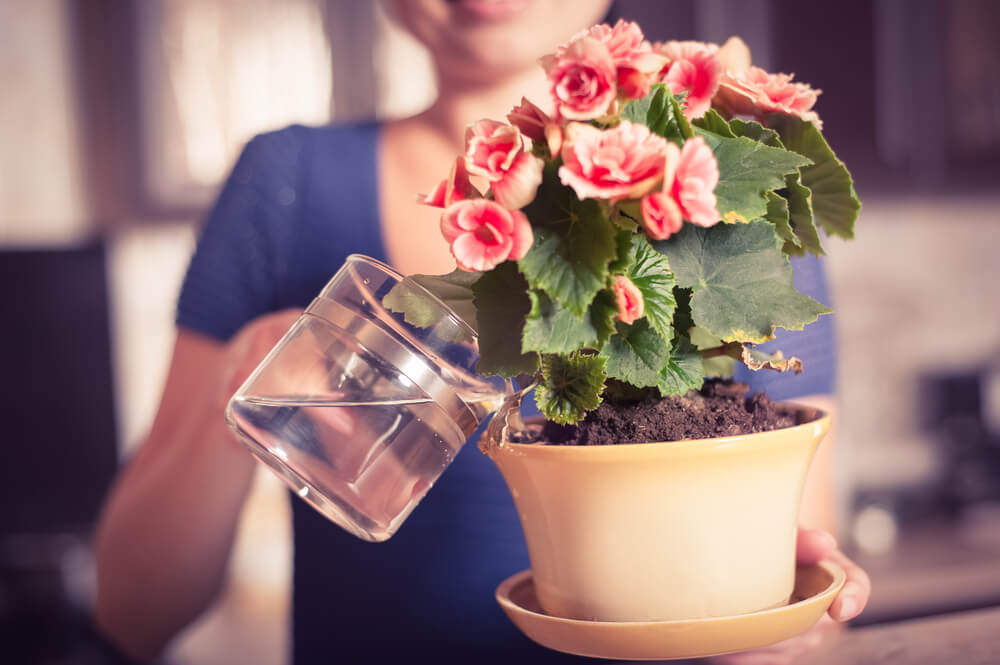
It’s easy to avoid over-fertilization with this type since it will be diluted with water. Liquid fertilizers also come with a reduced risk of fertilizer burn to your houseplant’s foliage. How often to use liquid fertilizer depends on the product’s instruction and the type of houseplant.
Indoor plants with large blooms require more feeding, but you should always study your houseplant’s requirements to understand their specific nutritional needs.
One disadvantage of liquid fertilizer is remembering to apply it every time as you’re likely to forget, especially during the cold season. Also, getting the right quantity to add can be tricky at times. As long as you can commit to a schedule and confirm the exact requirement for your houseplants, you wouldn’t have an issue with liquid fertilizer for your indoor plants.
Granular Indoor Plant Fertilizer: This type of indoor plant fertilizer is suitable when repotting a plant in fresh soil. The granules are either sprinkled on the surface of the soil or worked into the soil, and they release nutrients when you water your houseplant.
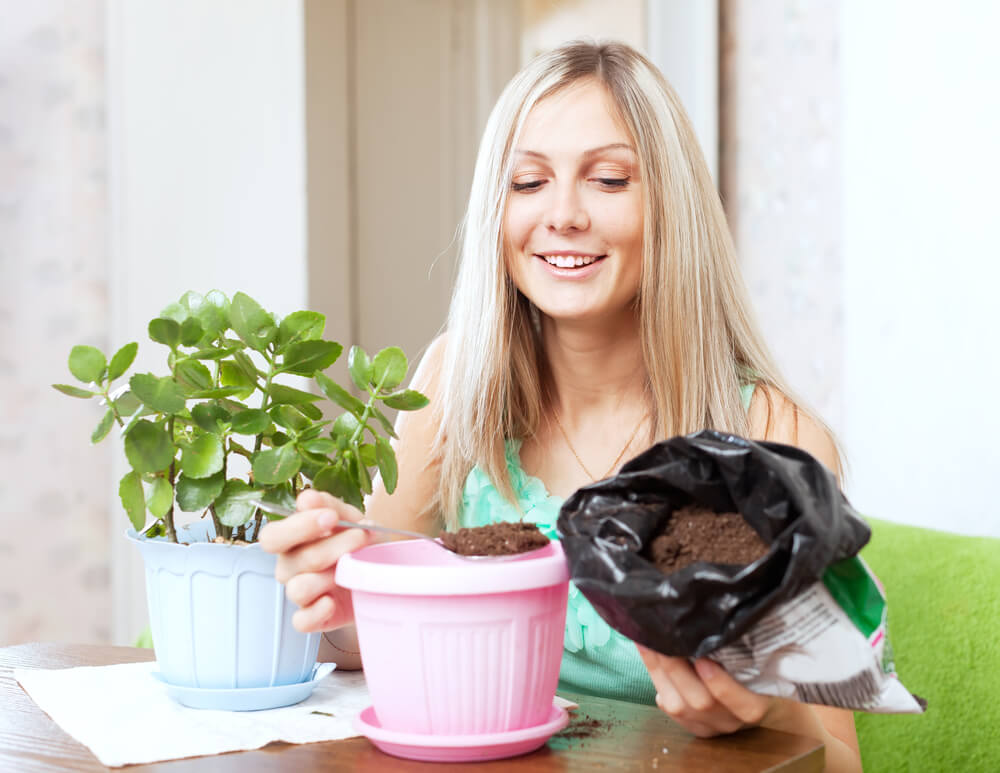
This type of fertilizer comes in either of these two formulations: loose, granular pellets or compressed fertilizer spikes. The granular pellets fertilizers are sprinkled on the surface of the soil, while the compressed fertilizer spikes are pushed down into the soil to come in close contact with plant roots.
Granular fertilizers are effective and affordable. Depending on the houseplants, you’ll need to reapply this type of indoor plant fertilizer after 4 to 6 weeks of the initial application.
One shortfall of granular fertilizer is that you cannot regulate the exact quantity required by your houseplants, which could lead to over-fertilization. As much as this houseplant fertilizer is effective, it’s not always a great choice to nourish your indoor garden plants.
Slow Release Indoor Plant Fertilizer: Slow-release fertilizer has become the favorite for most indoor gardeners. It comes in form of pods, spikes, pellets, and capsules and these time-release shells or coatings slowly release nutrients in smaller doses into the soil.
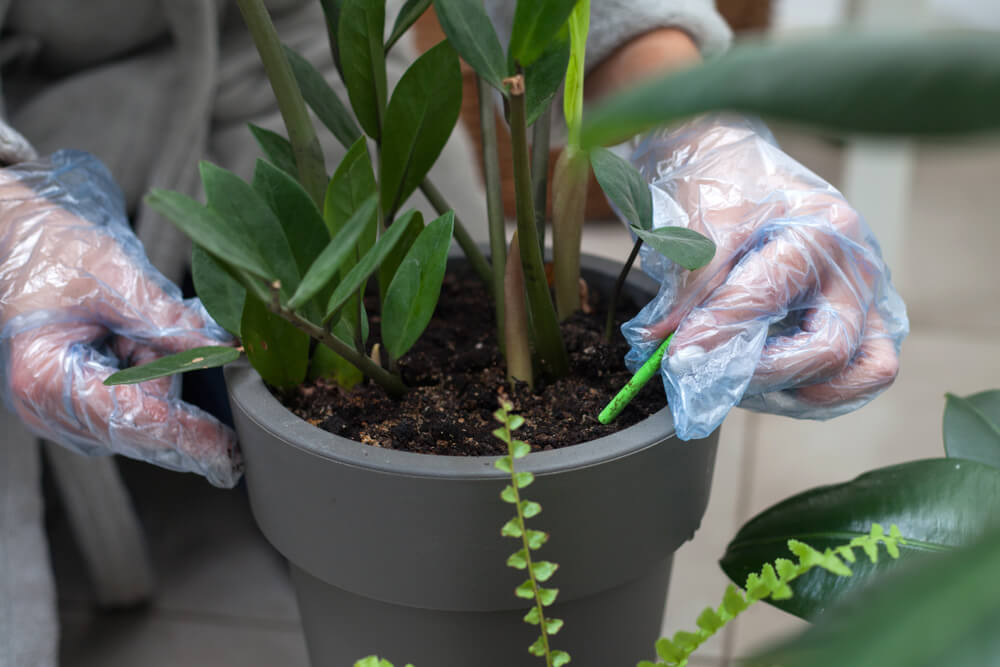
With this kind of indoor plant fertilizer, you wouldn’t have to fertilize as often because a single application can last for 4 to 9 months. It is easy to use and good for smaller pots or containers with houseplants.
Most slow-release fertilizers for indoor plants come in traditional forms that are not organic. Because of this, this type of fertilizer should only be used by experienced indoor gardeners who know what their plants need. If you can’t do that, liquid fertilizer is enough to feed your plants.
This indoor plant fertilizer is expensive, and it’s hard to control how much of each nutrient goes into the potting soil. The high price is made up for by how long it lasts, so you don’t have to buy it as often.
How to Choose the Best Fertilizer for Your Indoor Plants
Several things affect how you choose the best fertilizer for your indoor plant. You should think about whether the type of fertilizer, the amount of minerals, and the ratio are right for your houseplants and the type of soil they are in. You should also look into the easiest way to get the seeds to grow.
It can be hard to know what to look for in an indoor plant fertilizer, especially if you are new to indoor gardening, so that you can choose the best one to feed your houseplants. We’ll tell you about some of the most important things to think about when picking the best fertilizer for your indoor plants.
Plant Type and NPK Ratio
Every houseplant doesn’t have the same nutritional requirement and likewise, not all indoor plant fertilizers have the same mineral components and provide the same results.
In terms of mineral components in houseplant fertilizers, you want to refer to the macro and micronutrients that are essential for plant growth. The macronutrients are nitrogen (N), phosphorus (P), and potassium (K), and the micronutrients are calcium, magnesium, iron, boron, and zinc.
Each nutrient, be it macro or micro, has a specific function for houseplant growth. For the macronutrients:
- Nitrogen supports healthy foliage growth
- Phosphorous encourages bigger, healthier blooms
- Potassium encourages a strong room system
In choosing the best fertilizer for your indoor plant, you want to confirm the balance of the macronutrients, which is known as the NPK ratio. The NPK ratio states the percentage inclusion of the macronutrients. For instance, a 10-10-10 ratio implies 10 percent nitrogen, 10 percent phosphorus, and 10 percent potassium.
The higher the percentage of nutrients, the more potent the fertilizer is. There is, however, no perfect NPK ratio as each indoor plant’s requirement differs. For instance, flowering houseplants such as African violets, peace lilies, and begonias will need a higher amount of phosphorus than other nutrients. Green houseplants require fertilizer higher in nitrogen.
So, knowing your plant type fertilizer requirement is important in choosing the best indoor plant fertilizer to use. Also, you’d want to ensure that you’re getting a fertilizer specifically for indoor or houseplants with the NPK ratio written on the package.
Fertilization Method
Here, we’re referring to the mode of application and the ease of doing it. Knowing this is also helpful in choosing the best fertilizer for your indoor plant.
While some houseplants will thrive better with liquid fertilizer, others might prefer the slow-release fertilizer or the granular fertilizer. Besides, how each of these fertilizers is applied to the potting soil differs.
Liquid fertilizer is diluted with water according to the product’s instruction and sprayed on the leaves or surface of the soil; granular fertilizer is sprinkled on the soil surface or thrust into the soil root; slow-release fertilizer varies in the application based on the form it takes – either in pellets, capsules, pods or spikes.
In all, knowing the convenient fertilization method as it applies to your houseplant’s requirements can help choose the best indoor plant fertilizer.
Fertilizer Category
The two major fertilizer categories here are organic and traditional. This is an important factor an indoor gardener must take into consideration in choosing the best fertilizer for their indoor plant – organic or traditional?
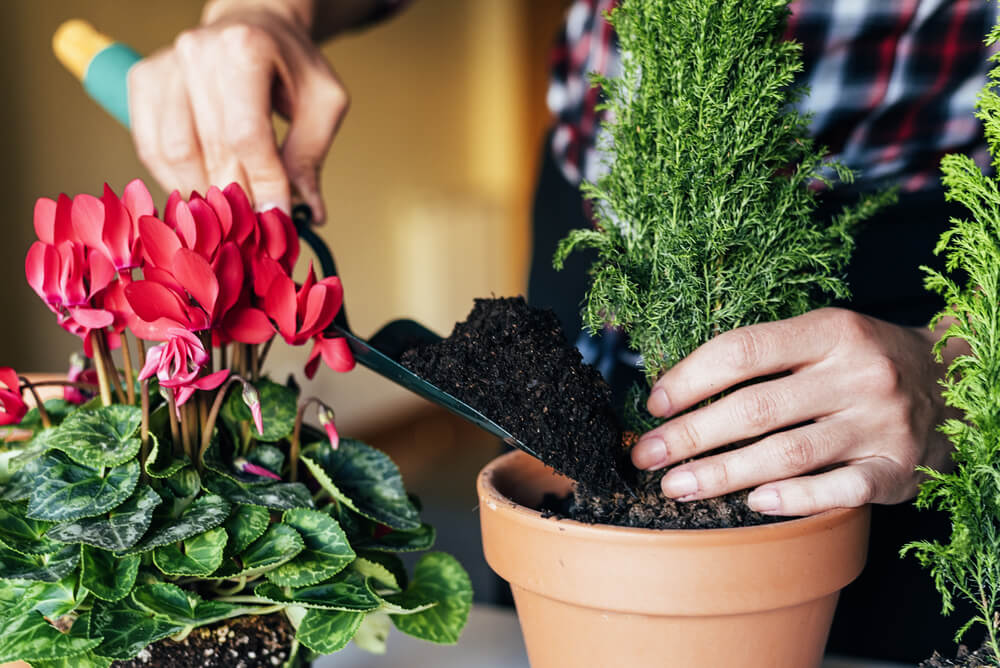
Organic Fertilizer: They are made from natural components and free of harmful chemicals and synthetics that can affect indoor plant growth. Organic fertilizers usually come from plant waste, animal waste, or powdered minerals like bone meal.
One good thing about this type of indoor plant fertilizer is that it is environment friendly and it poses less risk of root burn for houseplants. It also helps to reduce the risk of excess minerals in the soil.
A downside of organic fertilizer is that, over time, the natural ingredients emit an unpleasant odor. Moreover, it’s advisable to go for organic fertilizers endorsed by the Organic Materials Review Institute (OMRI).
Traditional Fertilizer: This type of fertilizer is gotten from a mixture of minerals with the right proportion to feed indoor plants. Traditional fertilizers usually come in more concentrated formulas and are less costly than the organic type.
How to Develop DIY Homemade Natural Fertilizers for Indoor Plants
You can always purchase natural fertilizers for your indoor plants and they will provide the necessary nutrients your houseplant needs to thrive. Natural fertilizers at local stores can come either fast-acting liquids or slow-releasing dry formulations.
Ingredients in the fast-acting liquid include worm tea, kelp, compost tea, plant extracts, and fish emulsion. While the dry formulation is made of bone meal, blood meal, phosphate, limestone, and dehydrated worm casting.
You often won’t find the NPK ratio on commercial natural fertilizer since its components are complex. However, if you want to save money and fertilize your indoor plant with nutrients from natural substances, there are some household waste and items you can consider for this purpose.
Here are our top 9 DIY natural indoor plant fertilizer sources to save cost.
Eggshells: This is a good source of calcium, phosphorus, and other minerals helpful for indoor plant growth. Eggshells help to reduce acidity in the soil.
To use them as natural fertilizers, you’ll remove the inner layers, wash and allow them to dry. When dried you can crush them, let them steep overnight in boiled water and add the strained water to your potting soil. Alternatively, you can crush them and mix them into your soil when potting your indoor plants.
Banana Peels: They are rich in potassium with a little amount of nitrogen, phosphorus, and magnesium. Banana peels are good slow-release natural houseplant fertilizer and we can suggest a few ways to use them.

You can cut them into small pieces and mix them with potting soil while they decompose slowly and release the necessary nutrients into the soil for your houseplants to use. You can also blend the peels and mix them with water to become a natural liquid fertilizer for your indoor plants.
Aquarium Freshwater: Your freshwater aquarium is another source of natural fertilizers. The wastewater with decomposing fish food and waste is rich in natural nutrients that can be useful to your indoor plants.
So, when next you’re changing the water in your fish tank, add the wastewater to your houseplant’s soil. It contains nitrogen and potassium that your indoor plants need.
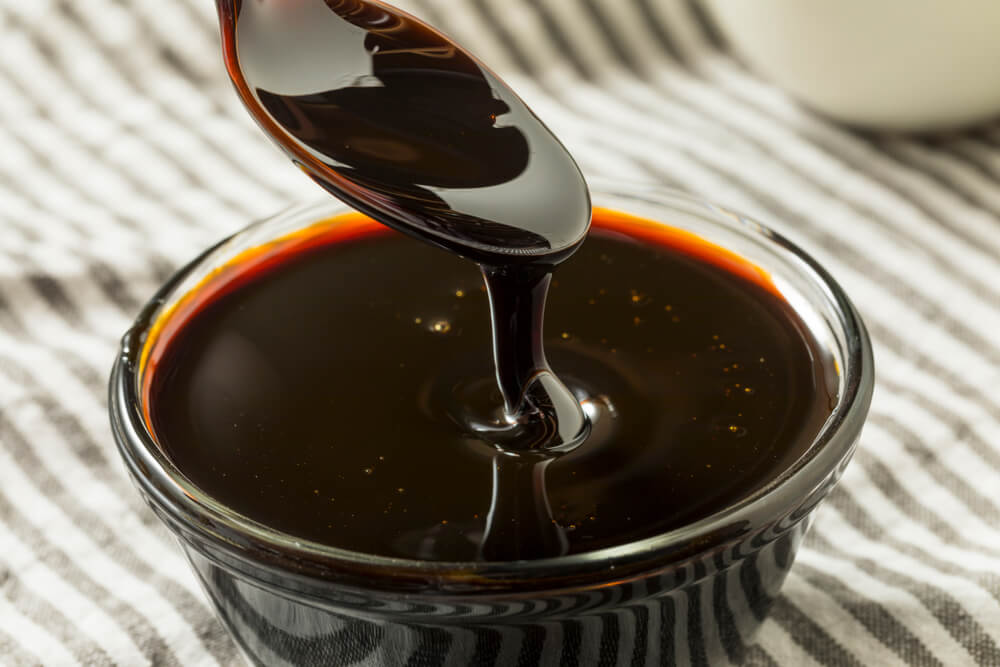
Molasses: This is a liquid substance gotten from refining sugar cane. It is composed of several nutrients beneficial for indoor plants. A tablespoon of molasses mixed with 2 liters of water is sufficient to nourish the potting soil for your indoor plants.
Cooked Vegetable Water: When you boil or steam your vegetables the water used is usually filled with nutrients that can help your indoor plants to grow. So, when you’re done cooking your vegetables, allow the water to cool and then give your potting soil to drink.
Worm Tea: By cultivating a worm farm on the side you can turn your kitchen scraps into natural houseplant fertilizers. This system works by placing food remnants or leftovers at the top of the worm farm and the worms will break them down into nutritional liquids to feed your houseplants
Epsom Salt: This contains micronutrients such as magnesium and sulfate that are helpful for houseplant growth. You can either sprinkle a small amount of Epsom salt on the surface of the soil or dilute a teaspoon into the water and spray it on the houseplants and soil.
Coffee Grounds: Used coffee grounds contain nitrogen, phosphorus, potassium, and magnesium that support healthy growth for indoor plants. It can be mixed with potting soil or derive liquid fertilizer by soaking them in water for some days.
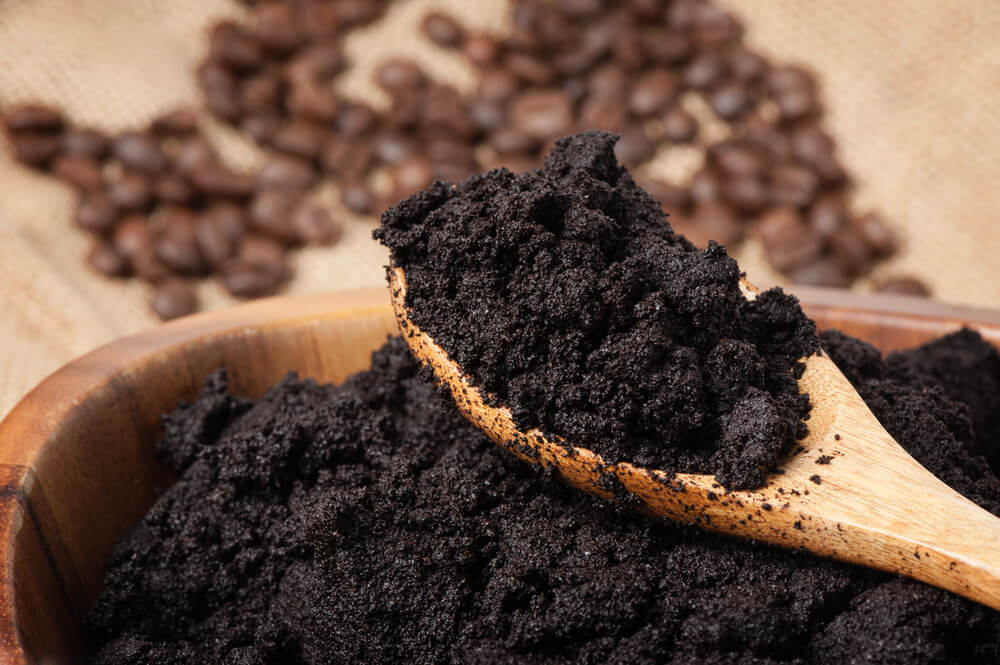
Natural fertilizers from coffee grounds are beneficial to foliage plants and because they increase the acidity of the soil, you’d want to use them for houseplants that thrive on acidic soils such as African violets, jade plants, ferns, and cactus.
Green Tea: You don’t have to throw away your small green tea bags since you can use them to create an inexpensive homemade natural fertilizer. They are best used to fertilize acid-loving houseplants.
The leaves in the tea bags contain tannic acid that lowers the soil’s pH and its high nutrient concentration encourages indoor plants to grow faster. The liquid from the green tea can be used directly after it has cooled off or you can empty the tea bags and mix the leaves directly into the potting soil.
7 Best Indoor Plant Fertilizers of 2023
- Fitleaf All Purpose Foliar Feed Water Soluble Fertilizer
- MARPHYL Organic Liquid Fertilizer
- Osmocote Smart-Release Plant Food
- Granular Organic Fertilizer by Earth Revival
- EarthPods Organic Indoor Plant Fertilizer Spikes
- Schultz All Purpose 10-15-10 Plant Food
- The Grow Co. Organic Indoor Plant Food
| # | Preview | Product | Item Form | Price | |
|---|---|---|---|---|---|
| 1 |  | Fitleaf All Purpose Foliar Feed Water Soluble Fertilizer | Powder | $14.99 |  |
| 2 |  | MARPHYL Organic Liquid Fertilizer | Liquid | $17.90 | |
| 3 | 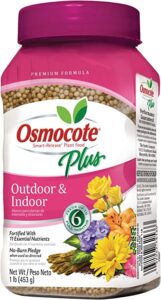 | Osmocote Smart-Release Plant Food | Granules | $8.59 | |
| 4 | 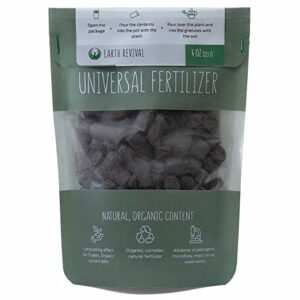 | Granular Organic Fertilizer by Earth Revival | Granules | $14.99 | |
| 5 | 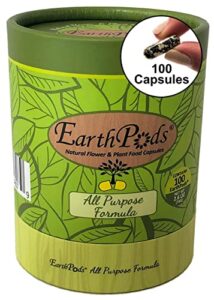 | EarthPods Organic Indoor Plant Fertilizer Spikes | Capsules | $39.95 | |
| 6 | 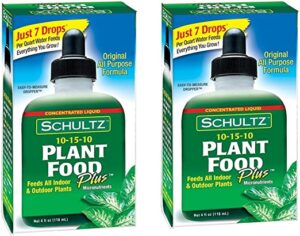 | Schultz All Purpose 10-15-10 Plant Food | Liquid | $11.80 | |
| 7 | 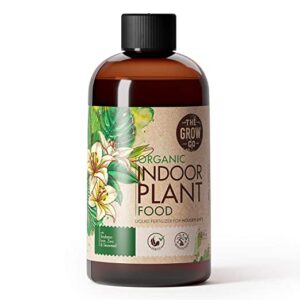 | The Grow Co. Organic Indoor Plant Food | Liquid | $13.97 | |
1. Fitleaf All Purpose Foliar Feed Water Soluble Fertilizer
Brand: Fitleaf | Item Weight: 10 grams | Item Form: Powder
Fitleaf All Purpose Foliar Feed water-soluble fertilizer is an excellent option for those looking for a high-quality fertilizer for their indoor plants. This fertilizer offers several key features that make it an excellent choice for plant enthusiasts.
Nutrient Content:Fitleaf All Purpose Foliar Feed contains a balanced blend of essential nutrients, including nitrogen, phosphorus, and potassium, which are crucial for plant growth and development. It also contains micronutrients like iron, zinc, and manganese, which promote healthy growth and prevent nutrient deficiencies.
Type of Fertilizer: This fertilizer is a water-soluble fertilizer that can be applied directly to the leaves of plants. It is absorbed quickly by the plant, providing fast-acting nutrition that encourages growth and health.
SALE
View on Amazon
Plant Type: Fitleaf All Purpose Foliar Feed is suitable for all types of indoor plants, including flowering and non-flowering plants. It is especially beneficial for plants that require a boost of nutrients during periods of active growth.
Formulation: This fertilizer is formulated to be used during the vegetative growth stage and is suitable for all indoor plants. It contains a balanced ratio of nutrients that promote healthy growth and development.
Ease of Use: Fitleaf All Purpose Foliar Feed is easy to use, and it can be applied by simply adding it to water and spraying it directly onto the plant’s leaves. It is also compatible with most watering systems, making it a convenient option for those who have a large number of plants.
Environmental Impact:This fertilizer is made from all-natural ingredients and is free from harmful chemicals that can be harmful to the environment. It is safe for use around children and pets, and it does not contribute to water pollution.
Price: Fitleaf All Purpose Foliar Feed is reasonably priced, making it an excellent option for those who want a high-quality fertilizer without breaking the bank.
In conclusion, Fitleaf All Purpose Foliar Feed water-soluble fertilizer is an excellent option for those looking for a high-quality fertilizer for their indoor plants. With its balanced blend of essential nutrients, ease of use, and environmentally friendly formulation, it is a product that is well worth considering for all plant enthusiasts. However, it may require frequent application to maintain optimal plant health, and it may not be suitable for use during the flowering stage for some plants.
Pro
- Provides fast-acting nutrition that promotes healthy growth and development.
- Suitable for all indoor plants, including flowering and non-flowering plants.
- Easy to use and can be applied by spraying it directly onto the plant’s leaves.
- Made from all-natural ingredients and is environmentally friendly.
- Reasonably priced, making it an excellent value for money
Con
- May require frequent application to maintain optimal plant health.
- Not suitable for use during the flowering stage for some plants
2. MARPHYL Organic Liquid Fertilizer
Brand: MARPHYL | Item Weight: 0.53 kilograms | Item Form: Liquid
MARPHYL Organic Liquid Fertilizer Review: An All-Natural Option for Indoor Plants
If you’re a plant enthusiast, you know that indoor plants require proper nutrition to thrive. One option for providing your plants with the nutrients they need is MARPHYL Organic Liquid Fertilizer. In this review, we’ll take a closer look at this all-natural fertilizer and its features.
Nutrient Content: MARPHYL Organic Liquid Fertilizer is a rich source of nutrients for indoor plants. It contains a balanced blend of macro and micronutrients, including nitrogen, phosphorus, and potassium, as well as trace elements like calcium, magnesium, and iron. This nutrient-rich formula can help improve plant growth and overall health.
SALE
View on Amazon
Type of Fertilizer: This is a liquid fertilizer, which is easy to use and quickly absorbed by plants. It can be applied directly to the soil or added to water for easy application. The liquid form also allows for easy adjustment of the amount of fertilizer applied, making it a versatile option.
Plant Type: MARPHYL Organic Liquid Fertilizer is suitable for a wide range of indoor plants, including herbs, vegetables, flowers, and more. It provides a well-balanced nutrient profile that is suitable for most plants, making it a great all-around option.
Formulation: This fertilizer is formulated for all stages of plant growth, from seedlings to mature plants. It provides a balanced blend of nutrients that are essential for healthy growth and development.
Ease of Use: One of the biggest advantages of MARPHYL Organic Liquid Fertilizer is its ease of use. It comes in a convenient liquid form that can be easily measured and applied. The application process is quick and easy, which is ideal for busy plant owners.
Environmental Impact: MARPHYL Organic Liquid Fertilizer is an all-natural, organic option for indoor plants. It is made from sustainably sourced seaweed and contains no synthetic chemicals or harmful additives. This makes it a great option for eco-conscious plant owners.
Price: This fertilizer is priced at a premium, but the quality of the ingredients and the ease of use make it worth the cost for many plant owners.
Overall, MARPHYL Organic Liquid Fertilizer is a great all-around option for indoor plant owners looking for an all-natural, easy-to-use fertilizer. Its balanced nutrient content, ease of use, and environmentally friendly formula make it a top choice for many plant enthusiasts. While it may not be the most affordable option, its quality ingredients and versatility make it worth the investment for many plant owners.
Pro
- All-natural and organic.
- Suitable for a wide range of indoor plants.
- Easy to use and adjust dosage.
- Formulated for all stages of plant growth.
- Sustainable and environmentally friendly
Con
- Higher price point compared to some other options.
- May not be suitable for plants with specific nutrient requirement
3. Osmocote Smart-Release Plant Food
Brand: Osmocote | Item Weight: 0.01 ounces | Item Form: Granules
Osmocote Smart-Release Plant Food is a popular fertilizer that is designed to provide essential nutrients to indoor plants over an extended period of time. In this review, we will explore the features of this fertilizer and evaluate its pros and cons.
Features:
Nutrient content: Osmocote Smart-Release Plant Food contains a balanced blend of essential nutrients, including nitrogen, phosphorus, and potassium. It also includes micronutrients like calcium, magnesium, and iron, which are important for plant growth and health.
Type of fertilizer: This fertilizer is a slow-release formula that gradually releases nutrients into the soil over a period of 6 months. This makes it convenient for busy gardeners who don’t have time for frequent fertilization.
SALE
View on Amazon
Plant type: Osmocote Smart-Release Plant Food is suitable for a wide variety of indoor plants, including tropical plants, ferns, and flowering plants.
Formulation: This fertilizer is formulated to provide a balanced blend of nutrients that is suitable for all stages of plant growth, from seedlings to mature plants.
Ease of use: The fertilizer is easy to use – simply sprinkle it on the soil around the base of the plant, and water as usual. The granular form is easy to measure and apply.
Environmental impact: Osmocote Smart-Release Plant Food is environmentally friendly and sustainable. It does not contribute to water pollution and is safe for use around children and pets.
Price: The price of this fertilizer is moderate and is a good value for the amount of fertilizer you get.
Overall, Osmocote Smart-Release Plant Food is an excellent fertilizer for indoor plants. Its slow-release formula provides continuous fertilization for up to 6 months, and its balanced blend of nutrients is suitable for a wide variety of plant types. The fertilizer is easy to use and environmentally friendly, making it a great choice for busy gardeners who want healthy, thriving indoor plants. While some users report that the granules can be difficult to dissolve in water, this is a minor issue compared to the many benefits of this product. At a moderate price point, Osmocote Smart-Release Plant Food is a good value for the amount of fertilizer you get.
Pro
- Provides a balanced blend of essential nutrients for healthy plant growth.
- Slow-release formula provides continuous fertilization for up to 6 months.
- Suitable for a wide variety of indoor plants.
- Easy to use granular form.
- Environmentally friendly and safe for use around children and pets.
- Moderate price point.
Con
- Some users report that the granules can be difficult to dissolve in water.
- May not be suitable for plants that require specific nutrient ratios.
4. Granular Organic Fertilizer by Earth Revival
Brand: Earth Revival | Item Weight: 4 ounces | Item Form: Granules
Looking for an organic fertilizer that is easy to use and environmentally friendly? Earth Revival Granular Organic Fertilizer is a top choice for indoor plant enthusiasts. In this review, we’ll take a closer look at its nutrient content, type of fertilizer, plant type, formulation, ease of use, environmental impact, and price, as well as the pros and cons of this product.
Nutrient Content: Earth Revival Granular Organic Fertilizer is made from a blend of natural ingredients that provide essential nutrients to your indoor plants. The fertilizer is high in nitrogen, phosphorus, and potassium, as well as micronutrients like calcium, magnesium, and iron. This nutrient content is perfect for promoting healthy growth and blooming in your plants.
SALE
View on Amazon
Plant Type: Earth Revival Granular Organic Fertilizer is suitable for a wide variety of indoor plants, including ferns, succulents, flowering plants, and more. It provides essential nutrients that promote healthy growth, vibrant foliage, and robust blooming in all plant types.
Formulation: This organic fertilizer is formulated for all stages of plant growth, including seedlings, vegetative growth, and flowering. This makes it easy to use throughout the entire lifecycle of your plants. The slow-release formulation also ensures that your plants receive a steady supply of nutrients over several weeks.
Ease of Use: The granular formulation of Earth Revival Granular Organic Fertilizer makes it easy to use. Simply sprinkle the fertilizer evenly over the soil surface of your plants and water thoroughly. The slow-release formula means you only need to apply it every four to six weeks, making it a low-maintenance option for indoor gardeners.
Environmental Impact: One of the standout features of Earth Revival Granular Organic Fertilizer is its low environmental impact. The fertilizer is made from natural ingredients and is free from harmful chemicals, making it safe for use around pets and children. It is also packaged in a recyclable bag, reducing the product’s carbon footprint.
Price:Earth Revival Granular Organic Fertilizer is competitively priced and offers great value for money. Its slow-release formulation means you don’t need to apply it as frequently as other fertilizers, making it a cost-effective option for indoor gardeners
In conclusion, Earth Revival Granular Organic Fertilizer is a top choice for indoor gardeners who want an easy-to-use, environmentally friendly fertilizer that provides essential nutrients for healthy plant growth. With a competitive price point, slow-release formulation, and natural ingredients, this fertilizer is a must-have for any indoor garden.
Pro
- Provides essential nutrients for healthy growth and blooming in all plant types.
- Suitable for all stages of plant growth, including seedlings, vegetative growth, and flowering.
- Easy to use, with a slow-release formula that requires infrequent application.
- Environmentally friendly, made from natural ingredients and packaged in a recyclable bag.
- Competitively priced, offering great value for money
Con
- The granular formulation may be messy to apply for some users
- The slow-release formula may not be suitable for gardeners who prefer frequent fertilization.
5. EarthPods Organic Indoor Plant Fertilizer Spikes
Brand: EarthPods | Item Weight: 4 ounces | Item Form: Capsules
Looking for an effective, eco-friendly fertilizer that will help your indoor plants thrive? Consider Earth Revival Granular Organic Fertilizer. This fertilizer boasts a range of features that make it a top choice for plant enthusiasts. In this review, we’ll take a closer look at its nutrient content, type of fertilizer, plant compatibility, formulation, ease of use, environmental impact, and price, as well as the pros and cons of using this product.
Nutrient Content: Earth Revival Granular Organic Fertilizer is a well-balanced fertilizer that contains a range of essential nutrients, including nitrogen, phosphorus, and potassium, as well as calcium, magnesium, and other micronutrients. This makes it an excellent choice for promoting healthy plant growth and boosting overall plant health.
SALE
View on Amazon
Type of Fertilizer: This fertilizer is a granular, slow-release fertilizer, which means that it releases its nutrients slowly over time, providing consistent nourishment to your plants. This also makes it easier to control the amount of fertilizer your plants receive and helps prevent over-fertilization.
Plant Compatibility: Earth Revival Granular Organic Fertilizer is suitable for a wide range of indoor plants, including houseplants, flowering plants, and even vegetables. This makes it a versatile option for plant enthusiasts who want to nourish all of their plants with a single product.
Formulation: This fertilizer is formulated to provide the nutrients that plants need at every stage of growth, from seedling to mature plant. This means that you can use it throughout the entire lifespan of your plants, making it a convenient and effective choice.
Ease of Use: Using Earth Revival Granular Organic Fertilizer is easy. Simply sprinkle the granules evenly over the soil around your plants, then water as usual. The slow-release formula means that you won’t need to reapply the fertilizer for several weeks, making it a low-maintenance option.
Environmental Impact: This fertilizer is organic and eco-friendly, making it a great choice for environmentally conscious plant enthusiasts. It contains no synthetic chemicals or harmful additives, and is safe to use around children and pets.
Price: Earth Revival Granular Organic Fertilizer is competitively priced compared to other organic fertilizers on the market. While it may be slightly more expensive than some synthetic fertilizers, the organic and eco-friendly formula makes it well worth the investment.
Overall, Earth Revival Granular Organic Fertilizer is an excellent choice for plant enthusiasts who want a versatile, effective, and eco-friendly fertilizer for their indoor plants. With its well-balanced nutrient content, slow-release formula, and easy-to-use granular form, it’s sure to help your plants thrive. While it may be slightly more expensive than some synthetic fertilizers, the organic and sustainable formula makes it well worth the investment.
Pro
- Well-balanced nutrient content promotes healthy plant growth.
- Granular, slow-release formula provides consistent nourishment.
- Suitable for a wide range of indoor plants.
- Formulated for every stage of growth.
- Easy to use and low-maintenance.
- Organic and eco-friendly
Con
- May be slightly more expensive than some synthetic fertiliz
6. Schultz All Purpose 10-15-10 Plant Food
Brand: Schultz | Item Weight: 0.81 pounds | Item Form: Liquid
Schultz All Purpose 10-15-10 Plant Food Review: Is It Worth the Hype?
If you’re looking for a versatile and effective plant fertilizer, Schultz All Purpose 10-15-10 Plant Food may be the perfect solution. This fertilizer boasts a balanced nutrient content and is suitable for a wide range of plants, making it a popular choice among gardeners. In this review, we’ll take a closer look at the features of Schultz All Purpose 10-15-10 Plant Food and determine whether it’s worth the investment.
Nutrient Content: Schultz All Purpose 10-15-10 Plant Food is a complete fertilizer that contains a balanced ratio of essential nutrients. The 10-15-10 ratio means that it contains 10% nitrogen, 15% phosphorus, and 10% potassium, which are crucial for plant growth and development. Additionally, it contains trace amounts of other micronutrients like magnesium, calcium, and iron.
SALE
View on Amazon
Type of Fertilizer: This fertilizer comes in a granular form that is easy to apply. It can be sprinkled on top of the soil and worked into the top layer, or mixed with water to create a liquid solution for feeding plants.
Plant Type: Schultz All Purpose 10-15-10 Plant Food is suitable for a wide range of plants, including vegetables, fruits, flowers, and houseplants. It provides a balanced nutrient mix that supports healthy growth and blooming.
Formulation: This fertilizer is formulated for use during the growing season and is designed to provide nutrients for both the roots and foliage of plants. It’s an all-purpose fertilizer that can be used throughout the year, making it a versatile choice for gardeners.
Ease of Use: The granular form of Schultz All Purpose 10-15-10 Plant Food makes it easy to measure and apply. It can be sprinkled directly onto the soil or mixed with water for a liquid solution. The fertilizer is also long-lasting and requires only a few applications throughout the growing season.
Environmental Impact: Schultz All Purpose 10-15-10 Plant Food is an environmentally friendly fertilizer that is safe for use around pets and children. It does not contain any harmful chemicals or synthetic ingredients, making it a sustainable choice for eco-conscious gardeners.
Price: Schultz All Purpose 10-15-10 Plant Food is an affordable fertilizer that provides excellent value for money. The 4-pound bag is priced at around $10, making it a cost-effective solution for feeding your plants
Overall, Schultz All Purpose 10-15-10 Plant Food is an excellent fertilizer that provides a balanced nutrient mix for a wide range of plants. It’s easy to use, environmentally friendly, and provides excellent value for money. While it may not be suitable for users who prefer granular fertilizers or those looking for plant-specific formulations, it’s a versatile all-purpose fertilizer that’s worth the investment. Give your plants a boost with Schultz All Purpose 10-15-10 Plant Food and enjoy healthy growth and blooming all year round.
Pro
- Contains a balanced mix of essential nutrients for healthy plant growth.
- Suitable for a wide range of plants, including vegetables, fruits, flowers, and houseplants.
- Easy to apply and can be used throughout the growing season.
- Environmentally friendly and safe for use around pets and children.
- Affordable and provides excellent value for money
Con
- Some users may prefer granular fertilizers over liquid fertilizers.
- Not formulated for specific stages of plant growth
7. The Grow Co. Organic Indoor Plant Food
Brand: The Grow Co. | Item Weight: 8 ounces | Item Form: Liquid
The Grow Co. Organic Indoor Plant Food is a premium fertilizer designed specifically for indoor plants. This product boasts a range of features, including nutrient content, type of fertilizer, plant type, formulation, ease of use, environmental impact, and price. In this review, we will take a closer look at The Grow Co. Organic Indoor Plant Food and evaluate its effectiveness for indoor gardening.
Nutrient Content: The Grow Co. Organic Indoor Plant Food is packed with essential nutrients that indoor plants need to thrive. This fertilizer contains a balanced blend of nitrogen, phosphorus, and potassium, as well as micronutrients like calcium and magnesium. These nutrients are carefully formulated to promote healthy growth, strong roots, and vibrant foliage.
SALE
View on Amazon
Type of Fertilizer: The Grow Co. Organic Indoor Plant Food is a liquid fertilizer, making it easy to apply and quick to absorb. This type of fertilizer is ideal for indoor plants because it is easily absorbed by the soil and provides nutrients directly to the roots.
Plant Type: This fertilizer is suitable for a wide range of indoor plants, including ferns, succulents, and flowering plants. It is especially effective for plants that require a balanced nutrient mix for healthy growth and development.
Formulation: The Grow Co. Organic Indoor Plant Food is specifically formulated for indoor plants, with a balanced nutrient mix designed to promote healthy growth, strong roots, and vibrant foliage. This fertilizer is also formulated to be used during different stages of plant growth, making it versatile and adaptable to a range of needs.
Ease of Use: One of the standout features of The Grow Co. Organic Indoor Plant Food is its ease of use. This liquid fertilizer comes with a convenient measuring cap, making it easy to measure and apply the correct amount of fertilizer to your plants. Simply add the recommended amount to your watering can and water your plants as usual.
Environmental Impact: The Grow Co. Organic Indoor Plant Food is an environmentally friendly fertilizer that is made from natural and organic ingredients. It is free from harmful chemicals and is safe to use around children and pets. This product is also packaged in recyclable materials, making it a sustainable choice for indoor gardening.
Price: The Grow Co. Organic Indoor Plant Food is a premium fertilizer that is priced higher than some other options on the market. However, its high-quality formulation, ease of use, and environmental friendliness make it a worthwhile investment for indoor gardeners who want to provide their plants with the best possible care
Overall, The Grow Co. Organic Indoor Plant Food is an excellent choice for indoor gardeners who want to provide their plants with the best possible care. Its balanced nutrient mix, liquid form, and versatile formulation make it a versatile and adaptable choice for a wide range of indoor plants. While it may be priced higher than some other options on the market, its high-quality formulation, ease of use, and environmental friendliness make it a worthwhile investment for indoor gardening enthusiasts.
Pro
- Contains a balanced blend of essential nutrients for healthy plant growth.
- Liquid form makes it easy to apply and quick to absorb.
- Suitable for a wide range of indoor plants.
- Versatile formulation for different stages of plant growth.
- Comes with a convenient measuring cap.
- Environmentally friendly and sustainable packaging
Con
- Priced higher than some other options on the market
Bottom line
Fertilizing your indoor plants is not only beneficial to adding and replenishing the nutrients of your potting soil for healthy houseplants, but it also helps to improve the structure of the potting soil, increase aeration, and enhance its ability to hold moisture.
Now that you know why your indoor plants need fertilizers, it is advisable to use indoor plant fertilizers only when your houseplants are actively growing and flowering. The best time is actually during spring and summer.
More important, you need to know your indoor plants and their requirements. Are they heavy or light feeders? This helps you to choose the right fertilizer with a suitable NPK ratio. However, fertilize with caution because excess can harm your indoor plants.
And always bear in mind that “fertilizing when an indoor plant doesn’t need it is worse than not feeding it when it’s lacking nutrients.”
If you want more helpful tips on how to improve your indoor gardening system and grow healthy houseplants, check our homepage and navigate through the pages to your success as an indoor gardener.
Frequently Asked Questions
Do indoor plants really need fertilizers?Yes, they require basic nutrients to grow. Indoor plants have a limited supply of natural organic matter, so their access to nutrients is also limited. What fertilizers do is provide the necessary macro and micronutrients houseplants need to be healthy.
What are the types of indoor plant fertilizers to use?The three main types of indoor plant fertilizers are liquid fertilizers, granular fertilizers, and slow-release fertilizers. Other categories are organic and synthetic fertilizers. Every fertilizer brands and products fall into these types and categories.
How often should I fertilize?You should add fertilizers to your potting soil when you notice the houseplants need nutrients.
What are the signs that houseplants need nutrients?When your indoor plants begin to wilt, produce pale and lanky leaves, and reveal slow or stagnant growth, then you can tell they need nutritional reinforcement.
What do I look out for in choosing the best fertilizers?You should look out for the suitability of the fertilizer type with your houseplants, the mineral and nutritional balance, and the NPK ratio. You also want to look out for convenient fertilization methods based on the product’s application instructions.
What are the macro and micro-nutrient in fertilizers?The macronutrients houseplants need to develop that fertilizers provide are nitrogen (N), phosphorus (P), and potassium (K). The micronutrients are calcium, sulfur, zinc, magnesium, copper, boron, and chlorine. Each nutrient plays an important role in the developmental process of indoor plants.
What is the best NPK ratio for indoor plants?There is no perfect NPK ratio for indoor plants. The best ratio is dependent on the houseplant requirement. While some houseplants will prefer 10:10:10, others may do well with 20:20:20 or 9:3:6, depending on the ratio the fertilizer type offers. For instance, flowering plants require a 3:1:2 NPK ratio.
Is NPK good for all indoor plants?Aside from water, light, soil, and good temperature, all indoor plants need nutrients from nitrogen, phosphorus, and potassium to grow. Without enough and proper balance of these nutrients, most houseplants either die or don’t produce good results. So, NPK is good for all indoor plants.
What do I do if I over-fertilize the soil of my houseplants?You can revive your plant from over-fertilizing through repotting or a soil flush. The soil flush involves running water through the soil for about 30 minutes till all the excess fertilizer components leach out.
Top Rated Indoor Plant Fertilizers of 2023
| # | Preview | Product | Item Form | Price | |
|---|---|---|---|---|---|
| 1 | | Fitleaf All Purpose Foliar Feed Water Soluble Fertilizer | Powder | $14.99 | |
| 2 | | MARPHYL Organic Liquid Fertilizer | Liquid | $17.90 | |
| 3 | | Osmocote Smart-Release Plant Food | Granules | $8.59 | |
| 4 | | Granular Organic Fertilizer by Earth Revival | Granules | $14.99 | |
| 5 | | EarthPods Organic Indoor Plant Fertilizer Spikes | Capsules | $39.95 | |
- MARPHYL Organic Liquid Fertilizer
- Osmocote Smart-Release Plant Food
- Granular Organic Fertilizer by Earth Revival
- EarthPods Organic Indoor Plant Fertilizer Spikes
BESTSELLER NO. 1
SALE
Fitleaf All Purpose Foliar Feed Water Soluble Fertilizer $14.99BESTSELLER NO. 2
SALE
MARPHYL Organic Liquid Fertilizer $17.90BESTSELLER NO. 3
SALE
Osmocote Smart-Release Plant Food $8.59